
Vinyl Siding vs Fiber Cement: The Ultimate Guide for Homeowners in Oklahoma
- Legacy Roofing

- Mar 26
- 2 min read
When it comes to choosing the right siding for your home, homeowners in Central and Southern Oklahoma often find themselves weighing the options between vinyl siding and fiber cement. Both materials come with their unique advantages and disadvantages, but understanding these can significantly impact your home's aesthetic appeal, energy efficiency, and long-term maintenance needs. In this guide, we’ll delve into the key differences between vinyl siding and fiber cement, providing actionable insights to help you make an informed decision, while also highlighting how Legacy Roofing can assist you in your siding installation needs.
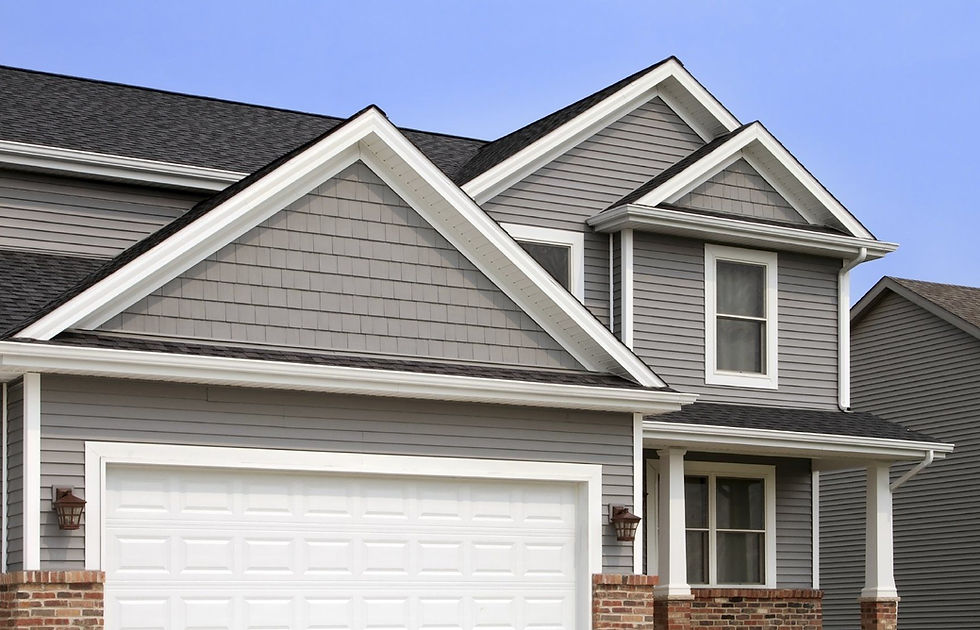
Understanding Vinyl Siding
Vinyl siding is a popular choice among homeowners due to its affordability, ease of installation, and variety of colors and styles. Made primarily from polyvinyl chloride (PVC), vinyl siding comes in various thicknesses and textures, enabling you to customize the look of your home without breaking the bank. This type of siding is resistant to moisture and insects, making it suitable for the humid climate in some regions of Oklahoma.
Advantages of Vinyl Siding
Low Maintenance: Vinyl siding requires minimal upkeep, mainly a periodic washing with soap and water to remove dirt.
Cost-Effective: It is typically cheaper than fiber cement, making it a budget-friendly option for homeowners.
Variety: Available in numerous styles and colors, vinyl siding offers great aesthetic flexibility.
Disadvantages of Vinyl Siding
Durability Issues: While it is resistant to moisture, vinyl can become brittle over time, especially in extreme temperatures.
Limited Lifespan: Generally, vinyl siding lasts around 20-40 years, requiring consideration of future replacement.
Exploring Fiber Cement Siding
Fiber cement siding, widely regarded for its strength and durability, is composed of cement, sand, and cellulose fibers. This combination creates a robust product that can withstand harsh weather conditions, making it ideal for regions of Oklahoma that experience extremes in temperature and precipitation.
Advantages of Fiber Cement Siding
Exceptional Durability: Fiber cement can endure harsh weather, pests, and moisture, with a lifespan of 50 years or more.
Fire Resistance: Unlike vinyl siding, fiber cement is non-combustible, providing enhanced safety.
Realistic Appearance: Fiber cement can be designed to mimic the look of wood or stucco.
Disadvantages of Fiber Cement Siding
Higher Cost: Generally more expensive to install than vinyl siding, fiber cement is an investment.
Installation Complexity: Requires professional installation due to its weight and specialized tools needed.
Making the Right Choice for Your Home
Choosing between vinyl siding and fiber cement largely depends on your budget, desired aesthetics, and long-term maintenance preferences. For homeowners in Oklahoma who are looking for a long-lasting, low-maintenance option, fiber cement may be the better choice despite its higher initial cost. On the other hand, if you are budget-conscious and prefer a quicker installation process, vinyl siding might suit you well.
Conclusion
At Legacy Roofing, we understand the importance of selecting the right siding for your home. Whether you opt for vinyl siding or fiber cement, our team of professionals is ready to assist you with expert installation and advice tailored to your specific needs. Contact us today for a free estimate and let us help you enhance the beauty and durability of your home!


